

Brochure
Download our document to see specific data of the service and how we work.
Let’s Start Work
Together
Please feel free to contact us. We will get back to you with 1-2 business days. Or just call us now.
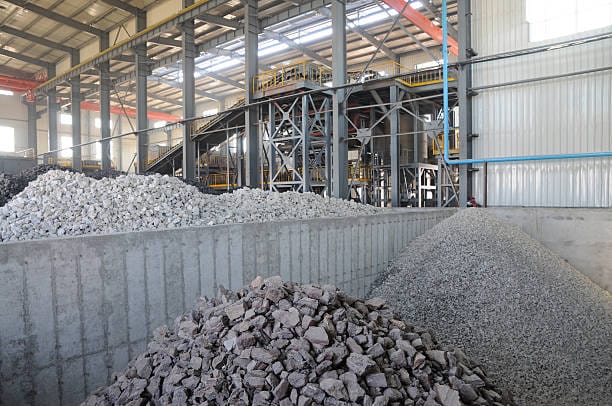
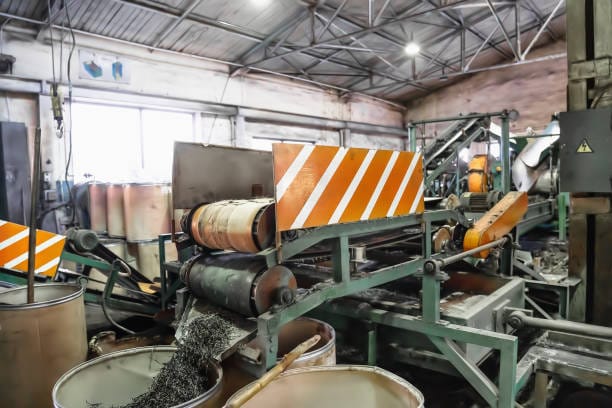
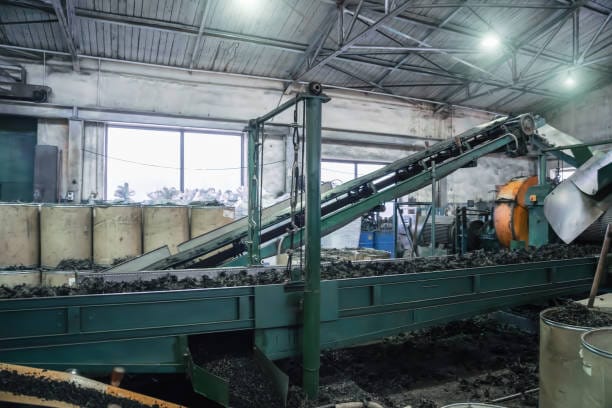
What is Sponge Iron?
Sponge Iron, also known as Direct Reduced Iron (DRI), is a semi-finished metallic product obtained through the direct reduction of iron ore. Unlike the blast furnace method, in this process iron ore is reduced without melting, using reducing gases such as natural gas or methane. The final product has a porous, sponge-like appearance, hence the name “sponge iron.”
Characteristics of Sponge Iron
- Porous Structure: Provides high surface area and low density, which makes it easier to melt in furnaces.
- Low Carbon Content: Lower carbon compared to pig iron, making steel quality control easier.
- Easy Melting: Can be readily melted in electric arc furnaces.
- Low Production Temperature: Produced at about 900–1200 °C, lower than the melting point of iron.
Production Process of Sponge Iron
- Ore Preparation: Iron ore, in the form of pellets or lumps, enters the process.
- Direct Reduction: Inside a reduction reactor or furnace, reducing gases (methane, natural gas, or carbon monoxide) remove oxygen from the ore, leaving metallic iron.
- Product Discharge: Sponge iron is obtained as porous pellets or lumps.
- Steelmaking: The product is transferred to electric arc furnaces or other units for steel production.
Advantages of Sponge Iron
- Lower energy consumption compared to traditional methods
- Reduced pollution (less CO₂ and harmful gases)
- Lower production cost than pig iron from blast furnaces
- Compatibility with electric arc furnaces and modern steelmaking processes
Types of Sponge Iron
- Gas-based DRI: The most common type, using methane or natural gas as the reducing agent
- Coal-based DRI: Produced in rotary kilns using coal as the reducing medium
- Advanced (Hydrogen-based) DRI: Uses hydrogen instead of natural gas, helping further reduce emissions
Applications of Sponge Iron
- Steel production in electric arc furnaces
- Manufacturing of specialized industrial components thanks to its low carbon content and porous structure
- Substitute for steel scrap in steelmaking, allowing better quality control
Frequently Questions
Delta Exclusive™ is an emerging programme built on five years of work to define and promote steel that has been produced and sourced responsibly. The Australian Steel Stewardship Forum initially developed the concept.
Delta Exclusive™ is an emerging programme built on five years of work to define and promote steel that has been produced and sourced responsibly. The Australian Steel Stewardship Forum initially developed the concept.
Delta Exclusive™ is an emerging programme built on five years of work to define and promote steel that has been produced and sourced responsibly. The Australian Steel Stewardship Forum initially developed the concept.
Delta Exclusive™ is an emerging programme built on five years of work to define and promote steel that has been produced and sourced responsibly. The Australian Steel Stewardship Forum initially developed the concept.
Delta Exclusive™ is an emerging programme built on five years of work to define and promote steel that has been produced and sourced responsibly. The Australian Steel Stewardship Forum initially developed the concept.